
Addiction Help for Families: Who to Call, When to Call, and What Happens Next
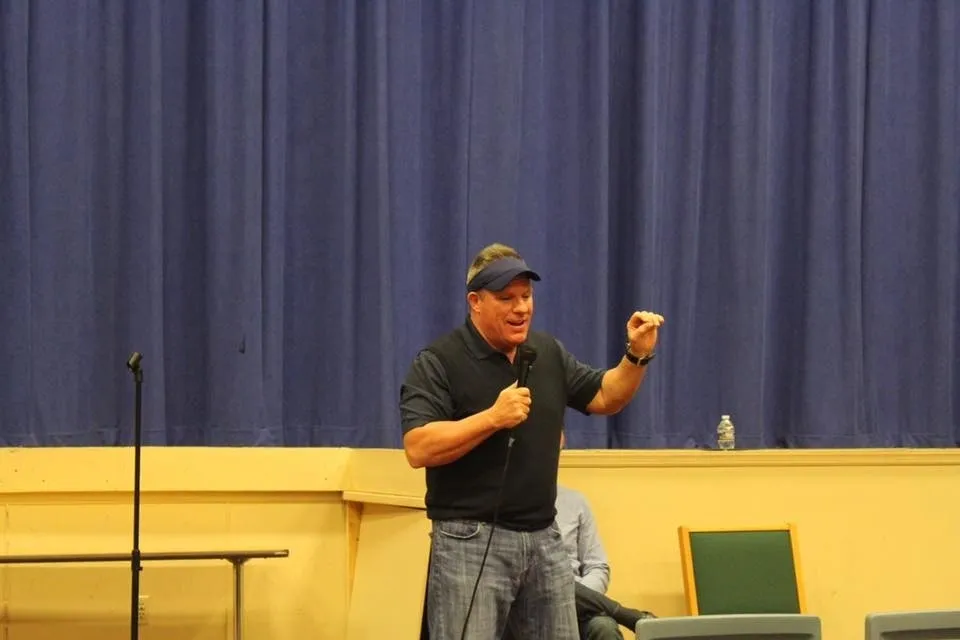
By Jim Reidy, Certified Intervention Professional (CIP #10266)
When addiction, overdose risk, or a mental-health crisis hits a home, the first question is usually the same: who do we call? This guide gives clear addiction help for families in one place. It explains when to call 911, 988, SAMHSA’s National Helpline, Poison Control, and a professional interventionist.
For more than 15 years, I have worked beside families in moments that felt impossible. I have led more than 750 documented interventions. Families do not fall short because they do not love enough. More often, they lose time because nobody has told them which door to open first.
Save this page. Share it with the people who love your family member. The right number depends on what is happening right now.
Quick Reference: Numbers Every Family Should Save
| If this is happening | Call or text | When |
|---|---|---|
| Overdose, unconsciousness, seizure, or immediate danger | 911 | 24/7 |
| Suicide concern, emotional crisis, or substance-use crisis | Call or text 988; chat at 988lifeline.org | 24/7 |
| Veteran or service member in crisis | Dial 988, then press 1; text 838255 | 24/7 |
| Finding detox, treatment, or support | SAMHSA: 1-800-662-HELP (4357); text ZIP code to 435748 | 24/7 |
| Medication error, ingestion, or unsafe combination | Poison Control: 1-800-222-1222 | 24/7 |
| Someone says they will use alone | Never Use Alone: 1-800-484-3731 | 24/7 |
| Family coaching around substance use | Partnership to End Addiction: 855-378-4373 | Free and confidential |
| Family support for mental illness | NAMI HelpLine: 1-800-950-6264; text NAMI to 62640 | Weekdays |
| A loved one refuses treatment | Addiction Treatment Group: (888) 972-8513 | Confidential |
Step One in an Emergency: Call 911
If a life may be in danger, call 911 first. A hotline cannot restore breathing, treat a seizure, or manage alcohol poisoning.
Call 911 immediately if your loved one cannot be awakened; is breathing slowly, irregularly, or not at all; has blue, gray, or ashen lips; is unconscious and making gurgling sounds; has a seizure, chest pain, or severe confusion; or has access to a weapon and is threatening harm.
Severe alcohol withdrawal can also be dangerous. Hallucinations, seizures, intense shaking, delirium, or confusion require emergency medical help. When a behavioral-health crisis is involved, tell the dispatcher about weapons, substances, medical conditions, and whether a Crisis Intervention Team officer or mobile crisis team is available in your area.
Naloxone (Narcan): A Medicine Families Should Keep Nearby
Naloxone can reverse an opioid overdose, including overdoses involving fentanyl. Naloxone nasal spray is available over the counter, and many health departments provide it at no cost. Keep it at home, in the car, and where a loved one may need it.
If you suspect an opioid overdose, call 911, give naloxone as directed on the package, follow the dispatcher’s instructions, and stay with the person. Put them on their side if you can do so safely. A second dose may be needed. Naloxone is not permission to use drugs. It is a seatbelt that can keep someone alive long enough to get another chance.
Good Samaritan Laws: Make the Call
Fear should never stop a family from seeking emergency help. Nearly every state has an overdose Good Samaritan law that provides some protection for people who seek aid during an overdose. The details vary by state. The priority does not: make the call that can save a life.
988: Addiction Help for Families During an Emotional Crisis
The 988 Suicide & Crisis Lifeline is a national, free, confidential resource for emotional distress, suicide concerns, mental-health crises, and alcohol or drug-use concerns. Call or text 988, or chat at 988lifeline.org. A trained counselor is available 24 hours a day, every day of the year.
You do not have to wait until someone says they are suicidal. Call 988 when a loved one is panicked, hopeless, intoxicated and talking about death, overwhelmed by withdrawal, or making a dangerous decision. You can call for yourself or because you are worried about someone else.
Veterans, service members, National Guard and Reserve members, and their families can dial 988 and press 1. Spanish-language support is available by selecting the Spanish option. However, if physical danger is immediate, call 911.
SAMHSA’s National Helpline: Treatment Referrals, 24/7
SAMHSA’s National Helpline is the national treatment-referral and information line: 1-800-662-HELP (4357). It is free, confidential, and available 24/7 in English and Spanish. Families can also text a five-digit ZIP code to 435748 for nearby resources.
SAMHSA—the Substance Abuse and Mental Health Services Administration—can connect people with local treatment facilities, support groups, and community services. The official FindTreatment.gov locator lets you search by location, payment type, and level of care.
SAMHSA is a powerful starting point when a family needs options. Still, it is a referral service. It does not prepare a divided family, secure alignment, or sit in the room when a loved one says no. That work often calls for a professional interventionist.
Poison Control: One Number for Medication Mistakes
Poison Control is free, confidential, and available 24/7 at 1-800-222-1222. Call when someone has taken too many pills, mixed medications, swallowed an unknown substance, or combined alcohol with medication. Do not wait for symptoms to develop. If the person has collapsed, is having a seizure, cannot breathe, or cannot be awakened, call 911.
Never Use Alone: Keeping the Door Open to Recovery
Some people are not ready to stop today. That truth is painful. Yet survival remains the first goal.
Never Use Alone is a national overdose-response line for a person who is using alone: 1-800-484-3731. An operator takes the caller’s location and sends emergency services if the caller stops responding. Saving the number can be an act of love. Someone must survive today to be able to accept treatment tomorrow.
Support Lines for Parents, Partners, and Families
Addiction affects the entire family. Parents, spouses, siblings, and adult children need a place to talk and a plan of their own.
- Partnership to End Addiction offers individual guidance for caregivers: 855-378-4373 or text CONNECT to 55753.
- NAMI HelpLine offers peer support and resource referrals for families coping with mental illness: 1-800-950-6264, or text NAMI to 62640.
- Al-Anon Family Groups supports people affected by someone else’s drinking.
- Nar-Anon Family Groups supports people affected by a loved one’s drug use.
- SMART Recovery Family & Friends teaches practical communication and boundary skills.
- Crisis Text Line is available by texting HOME to 741741. For local community support, call 211.
A Simple Guide: Who Do We Call First?
| Your situation | Make this call first | Then |
|---|---|---|
| Overdose or medical emergency | 911 | Naloxone if opioids may be involved; stay with them |
| Suicide concern or emotional crisis | 988 | Call 911 if danger is immediate |
| Need to find treatment | SAMHSA, 1-800-662-4357 | Search FindTreatment.gov |
| Medication or chemical exposure | Poison Control, 1-800-222-1222 | Call 911 for severe symptoms |
| Family is exhausted and stuck | Partnership to End Addiction or NAMI | Al-Anon, Nar-Anon, or SMART Family & Friends |
| Loved one refuses help | Certified Intervention Professional | Build a unified family plan |
Where a Hotline Ends and an Intervention Begins
Hotlines save lives and open doors. They answer in the moment. However, they cannot come to your kitchen table, align a divided family, secure a treatment bed, or guide the next difficult conversation.
That is the role of an interventionist. A professional intervention turns fear into a clear plan. We assess the immediate risks, educate the family, prepare each person, identify appropriate treatment, and build boundaries everyone can hold. You can review our full How It Works process.
An intervention may be the right next step when your loved one keeps refusing care; family members cannot agree; there have been overdoses, ER visits, arrests, DUIs, or job losses; treatment attempts have ended early; or substance use and mental-health concerns are intertwined. Begin with a confidential Addiction Assessment or review the Common Signs of Addiction.
What to Have Ready Before You Call
Before you call, write down the substances involved, the amount and frequency of use, prescriptions and doses, recent overdoses or hospital visits, mental-health history, insurance information, past treatment, and your loved one’s current address. Details matter in a crisis. Putting them in one place makes the call faster and more useful.
Addiction Help for Families With Jim Reidy, CIP #10266
At Addiction Treatment Group, every family works directly with me. There are no call-center handoffs and no outsourced interventions. I am a Certified Intervention Professional, CIP #10266, credentialed through the Pennsylvania Certification Board and a member of the Association of Intervention Specialists since 2018.
For more than 15 years, I have led 750+ documented interventions for families facing alcohol addiction, opioids and fentanyl, prescription-drug misuse, cocaine, methamphetamine, and co-occurring mental-health concerns. I was featured on A&E’s Intervention, Season 20, and am a Psychology Today Verified professional.
Explore our family resources, learn about Jim Reidy, review our treatment partners, or learn about our intervention services. For additional information about my work, visit Intervention365.com.
Frequently Asked Questions About Addiction Help for Families
What is the best number to call for addiction help for families? Call 911 for an overdose or medical emergency. Call or text 988 for a suicide concern, mental-health crisis, or substance-use crisis. Call SAMHSA at 1-800-662-4357 for treatment referrals. Call a Certified Intervention Professional when a loved one refuses help.
Is SAMHSA’s National Helpline free? Yes. It is free, confidential, and available 24/7 in English and Spanish.
Can I call 988 for a drug or alcohol crisis? Yes. 988 is for emotional distress, mental-health crises, suicide concerns, and substance-use concerns.
Can I buy naloxone without a prescription? Yes. Naloxone nasal spray is available over the counter, and many community programs distribute it free.
What is the difference between a hotline and an interventionist? A hotline offers immediate support or referrals. An interventionist assesses the situation, prepares the family, arranges treatment, leads the intervention, and supports the family afterward.
When should we hire an interventionist? Consider it when a loved one refuses treatment, the family cannot agree on a plan, or risks such as overdose, relapse, or worsening mental health continue to rise.
Does Addiction Treatment Group work outside the East Coast? Yes. We provide confidential professional intervention services for families nationwide.
Can I call even if I am not sure my loved one will agree to treatment? Yes. The purpose of an initial conversation is to understand the situation and identify the safest, most constructive next step.
You Do Not Have to Figure This Out Alone
Save these numbers now. Share them with the people who care about your loved one. A call made early can change what happens next.
If your loved one is refusing help and the situation keeps getting worse, call Addiction Treatment Group at (888) 972-8513, or contact us online. Every conversation is free and confidential.
This article is for educational purposes and is not medical advice. If anyone is in immediate danger, call 911.
We're Here to Help
Helping someone with drug addiction isn’t easy. We have the experience to help. All calls and emails are confidential.
Oops! We could not locate your form.