
Stop Living in Fear

Fear Is Not an Action Word
Fear does not heal families.
Fear does not stabilize chaos.
Fear does not get someone into treatment.
Fear freezes people in place — and addiction thrives in that freeze.
At Addiction Treatment Group, we talk to families every single day who are exhausted, overwhelmed, and terrified of doing the “wrong thing.” Not because they don’t care — but because fear has convinced them that doing nothing feels safer than doing something.
That belief is false.
And it’s costing families everything.
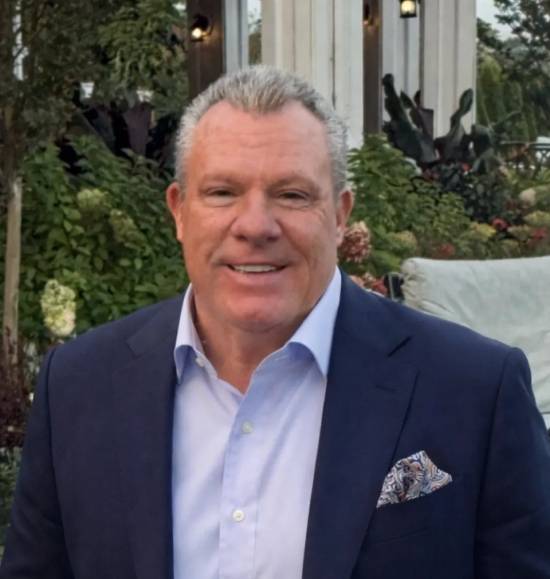
I’m Jim Reidy, a Certified Intervention Professional, and I’ve worked with thousands of families across the country. I can tell you this with absolute certainty:
Families don’t avoid intervention because they don’t love their loved one.
They avoid it because fear has hijacked the decision-making process.
Fear Loves the Unknown — Addiction Lives There
Fear feeds on what-ifs:
What if they say no?
What if this makes things worse?
What if they never speak to me again?
What if I betray them?
So families stay stuck in a familiar nightmare because it feels more predictable than change.
But addiction and untreated mental health conditions don’t remain static. They progress. Quietly. Relentlessly.
Fear convinces families they are maintaining control — when in reality, control was lost long ago.
The chaos feels manageable only because it’s familiar.
Addiction Is the Only Illness Where Fear Replaces Action
Think about any other medical crisis.
If someone collapses, you don’t debate calling 911.
If a tumor is found, you don’t crowdsource opinions until it spreads.
If a child is drowning, you don’t ask if saving them will upset them.
But addiction rewires this logic.
Families hesitate.
They second-guess.
They wait for permission that will never come.
And while fear delays action, addiction deepens its grip.
The Myth of Betrayal
One of the most common fears families voice is this:
“I don’t want to betray them.”
Let’s be very clear:
Intervention is not betrayal. Inaction is.
Protecting secrets is not love.
Avoiding discomfort is not loyalty.
Keeping someone sick so they don’t get angry is not compassion.
Most people struggling with addiction already feel betrayed — by life, by trauma, by circumstances, by themselves. That pain gets acted out toward the people closest to them.
Families confuse reaction with truth.
Anger is not evidence that intervention is wrong.
Resistance is not proof that help is harmful.
It’s proof that addiction is being challenged.
Fear Pretends to Be Logic
Fear disguises itself as “being realistic.”
Families say:
- They’re too stubborn.
- They won’t go.
- Nothing has ever worked.
- They have to want help.
- We’re not ready yet.
But those aren’t facts.
They are fear-based narratives designed to delay change.
At Addiction Treatment Group, we see this pattern constantly:
Families make more excuses for their loved one than the loved one will ever make themselves.
Why?
Because fear is easier than surrendering control.
Fear Is Rewarded — That’s Why It Persists
Every behavior exists because it serves a purpose.
Fear gives families:
- Temporary emotional safety
- Avoidance of conflict
- Relief from guilt
- Preservation of familiar roles
- The illusion of control
Those rewards feel real — until the cost becomes unbearable.
And eventually, it always does.
The question isn’t “What if this doesn’t work?”
The real question is, “How much longer can we live like this?”
Intervention Is an Endpoint — Fear Hates Endpoints
Fear thrives in ambiguity.
Intervention creates clarity.
An intervention is not about forcing someone into treatment.
It’s about ending the endless cycle of chaos, excuses, and emotional hostage-taking.
When families commit to an intervention process, something shifts:
- Roles change
- Boundaries become real
- Secrets stop running the household
- Responsibility returns to where it belongs
That’s what fear is actually afraid of.
Why Families Call Jim Reidy
Families don’t call me because things are “kind of bad.”
They call because fear has stopped working.
They’re tired.
They’re done negotiating with chaos.
They know something has to change — even if they’re terrified.
My role is not to sell hope.
My role is to replace fear with structure.
At Addiction Treatment Group and Intervention 365, we don’t promise comfort.
We promise clarity, direction, and a clinically grounded plan.
Fear Will Never Tell You It’s Time
Fear will always say:
- Wait
- Think about it
- Give it more time
- Maybe tomorrow
But addiction doesn’t wait.
Mental health crises don’t pause.
And families don’t heal by standing still.
Final Truth
Fear is not an action word.
Love is.
Boundaries are.
Leadership is.
Intervention is.
And when families are ready to stop letting fear run the system —
that’s when real recovery begins.
25 FAQs: Fear, Intervention, and What Families Need to Know (Jim Reidy / Addiction Treatment Group)
1) What does it mean when you say “fear isn’t an action word”?
It means fear keeps families thinking instead of moving. Fear produces delay, bargaining, excuses, and “wait and see.” Action produces structure, boundaries, and a plan.
2) Why do families stay stuck even when things are clearly getting worse?
Because the known chaos feels safer than the unknown change. Families adapt to dysfunction until it feels “normal,” and fear convinces them stability is around the corner—when it isn’t.
3) What are the most common fears families have before an intervention?
Fear of anger, fear of betrayal, fear of making it worse, fear of being blamed, fear of consequences, fear of family conflict, and fear that “they’ll never speak to us again.”
4) Is it normal to feel guilty about doing an intervention?
Yes. But guilt isn’t a compass. Guilt often shows up when families start setting boundaries—because enabling has been mistaken for love for a long time.
5) Is an intervention an “ambush”?
Not when it’s done correctly. A professional intervention is a structured, clinically guided conversation designed to stop chaos and start accountability—without emotional violence.
6) What if my loved one says no?
Then we still win important ground: the family system changes. Boundaries shift. Access to enabling closes. The door to treatment stays open, and pressure moves from emotional pleading to real-life consequence.
7) Do people have to “hit rock bottom” before they’ll accept help?
No. Rock bottom is not a requirement—it’s a myth that buries families. Many people accept help when the system around them stops protecting the addiction.
8) Why does my loved one act like we’re the problem?
Because addiction and many untreated mental health patterns externalize blame. It’s not personal—it’s protective behavior from a sick system that doesn’t want to be challenged.
9) How do you respond to “You’re betraying me”?
With truth: “We’re not betraying you. We’re refusing to participate in what’s killing you.” Anger is not a moral verdict—it’s a reaction to losing control.
10) What’s the difference between “helping” and “enabling”?
Helping supports health and responsibility. Enabling reduces consequence and increases access to the behavior. If what you’re doing keeps the addiction comfortable, it’s enabling.
11) Why do families make more excuses than the person using?
Because fear protects the family’s illusion of control. Excuses sound like logic, but they’re usually emotional self-defense: “If we don’t act, we can’t be blamed.”
12) What if my family isn’t all on the same page?
That’s normal. Most families aren’t aligned at first. My job is to create clarity, leadership, and a unified strategy—so the family stops negotiating with chaos.
13) Can an intervention work if my loved one is “high functioning”?
Absolutely. High functioning often means high denial—with better camouflage. Waiting for collapse is unnecessary and dangerous.
14) What if my loved one has mental health issues too?
That’s common. We plan for dual-diagnosis realities and build a pathway that accounts for psychiatric needs, medication issues, and safety concerns.
15) What if my loved one is aggressive or unpredictable?
Then safety planning comes first. We assess violence risk, legal issues, and the environment. A professional intervention is never reckless—it’s strategic.
16) What if they threaten self-harm if we intervene?
We take that seriously and respond clinically. Threats may reflect real risk or manipulation, but either way we plan with safety protocols and crisis options.
17) Do interventions work for alcohol, or only drugs?
Alcohol is one of the most destructive and normalized addictions on earth. Interventions absolutely work for alcohol use disorder—especially when families stop minimizing.
18) What if they say, “I can do it on my own”?
Then we ask for evidence and timelines. “On my own” often means “later.” We turn vague promises into accountable next steps.
19) How fast should a family move once they decide to intervene?
Fast. There’s never a perfect time. Birthdays, weddings, graduations—life will always have “reasons to wait.” Addiction uses those reasons as shelter.
20) What role does structure play in breaking fear?
Structure is the antidote to panic. When families have a plan—fear gets quieter because the chaos finally has containment.
21) What does a professional interventionist do that a family can’t?
We remove emotion from the driver’s seat, control the process, anticipate resistance, manage escalation, and guide the family into boundaries that actually hold.
22) Will my loved one hate us after an intervention?
They may be angry. That’s not the same as “hate.” Anger is often part of withdrawal from control. Many families later hear: “Thank you for not giving up.”
23) How do we stop “manufacturing” fear in our minds?
Stop living in “what if” and start living in “what now.” Fear predicts catastrophes. A plan creates options. Options reduce panic.
24) Why do you say “inaction is betrayal”?
Because doing nothing isn’t neutral. Doing nothing often means continuing the secrecy, comfort, and access that keeps addiction alive.
25) What’s the first step if we’re reading this and we’re scared?
Call. Not to be sold. To be guided. Tell us the truth—what’s happening, what you’ve tried, what you’re afraid of—and we’ll build a clear next step with you.
We're Here to Help
Helping someone with drug addiction isn’t easy. We have the experience to help. All calls and emails are confidential.
"*" indicates required fields