
Addiction Treatment Group | A Calm Voice
Addiction Treatment Group in Pennsylvania
Professional Drug and Alcohol Intervention Help for Pennsylvania Families
The call rarely comes after the first warning sign.
Most families have already spent months—or years—trying to manage the problem themselves. They have reasoned, pleaded, argued, forgiven, protected, threatened, and made one more agreement. Each new promise offers temporary hope. Then the drinking or drug use begins again, and the family finds itself back in the same painful cycle.
Addiction Treatment Group in Pennsylvania provides families with a different way forward.
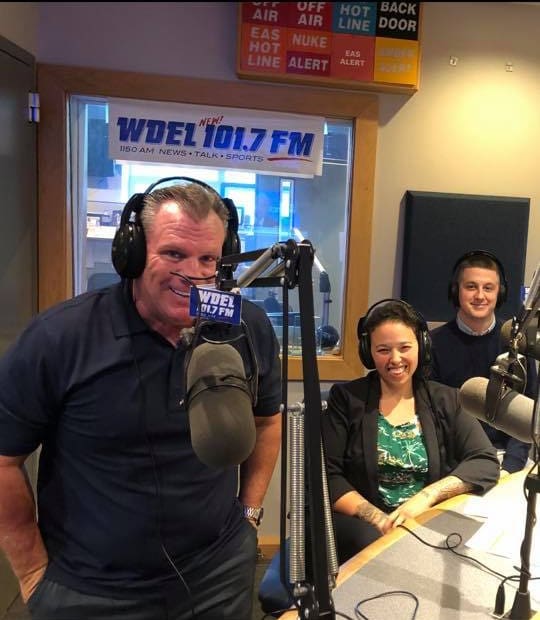
Led by James “Jim” Reidy, Certified Intervention Professional, CIP #10266, Addiction Treatment Group helps families replace confusion with preparation, conflicting opinions with one unified plan, and repeated crisis management with decisive action.
For nearly 15 years, Jim has guided Pennsylvania families through professional interventions involving alcoholism, fentanyl, heroin, prescription medications, cocaine, methamphetamine, benzodiazepines, polysubstance use, chronic relapse, and co-occurring mental health concerns.
When the family no longer knows what to say or what to do next, experienced intervention guidance can change the direction of the entire situation.
Call (888) 972-8513 or (267) 970-7623.
All calls are free and confidential.
Addiction Can Hide Behind a Successful Life
Addiction does not always look like homelessness, unemployment, or complete personal collapse.
Sometimes the individual is still going to work, paying bills, raising children, attending social events, or maintaining a respected professional reputation. From the outside, life may continue to look organized. Inside the home, however, the family sees what other people do not.
A spouse in Radnor may be quietly covering for repeated alcohol-related absences. Parents in Bryn Mawr may be supporting an adult child whose opioid use has become increasingly dangerous. A professional in Villanova may still be functioning at work while drinking heavily every evening. A family in Wayne may be managing repeated relapses behind the privacy of a beautiful home.
The appearance of success can delay action because the family keeps asking whether the situation is “bad enough” to justify an intervention.
If alcohol or drug use is damaging health, trust, relationships, employment, finances, judgment, or safety, the problem deserves a serious response. A person does not have to lose everything before a family is allowed to intervene.
Pennsylvania Is More Than a Location to Us
Addiction Treatment Group has a long and meaningful history in Pennsylvania.
Jim Reidy’s professional work grew from his own experience with addiction and long-term recovery. That lived understanding became the foundation of nearly 15 years spent helping Pennsylvania families face denial, establish boundaries, arrange treatment, and guide resistant loved ones toward recovery.
Throughout Southeastern Pennsylvania, families have called from communities along the Main Line, including Bala Cynwyd, Gladwyne, Bryn Mawr, Haverford, Villanova, Radnor, and Wayne. Each community is different, but the fear experienced by a family facing addiction is remarkably similar.
Other calls come from West Chester, Malvern, Chester Springs, and surrounding communities where privacy and discretion are especially important. In the Bucks County area, families from Newtown, Yardley, Doylestown, and New Hope often reach out after private efforts to solve the problem have repeatedly failed.
The same need exists across the Commonwealth. Families contact Addiction Treatment Group from Philadelphia, Lancaster, Hershey, Camp Hill, Hanover, State College, Pittsburgh, Sewickley, Fox Chapel, Wexford, and the communities between them.
The location changes. The family’s fundamental questions do not:
What can we do? How do we get everyone on the same page? What happens if our loved one refuses? How do we know which treatment is appropriate? How quickly can we begin?
Those are the questions a professional intervention process is built to answer.
What a Professional Intervention Is Really Designed to Do
An intervention is not an ambush. It is not a shouting match, a public embarrassment, or an opportunity for every family member to release years of anger.
The purpose is to create a carefully prepared moment in which the person can see the truth of what is happening and accept a specific path into treatment.
A well-planned intervention gives the family:
- One consistent message
- A qualified professional leading the conversation
- A treatment plan prepared in advance
- Clear and enforceable family boundaries
- Responses to predictable objections and delays
- A safe plan for admission and transportation
- Immediate action when treatment is accepted
The objective is not to win an argument. The objective is to interrupt the progression of addiction and make recovery available at the moment the individual is most likely to accept it.
The Most Important Work Happens Before the Intervention
The intervention meeting is only one part of the process.
Before the intended patient enters the room, Jim works directly with the family to understand the full history. That includes the substances being used, previous treatment attempts, medical concerns, family relationships, financial support, legal consequences, employment issues, children in the home, and patterns of enabling or rescuing.
The intervention team must also be chosen carefully. More people do not automatically create a stronger intervention. The right participants are the people with meaningful relationships who can remain focused, follow the plan, and avoid turning the meeting into an argument.
Preparation may include:
- Identifying the most appropriate family participants
- Reviewing the history of alcohol and drug use
- Understanding previous treatment and relapse patterns
- Preparing personal intervention letters
- Anticipating denial, anger, bargaining, or manipulation
- Establishing boundaries the family can genuinely maintain
- Selecting an appropriate treatment option
- Confirming admission requirements before the meeting
- Coordinating travel and safe transportation
- Planning for medications, employment, childcare, pets, and other practical concerns
Families often feel anxious before an intervention. Preparation gives them something addiction has taken away: a sense of direction.
Alcohol Intervention Help in Pennsylvania
Alcohol remains one of the most common reasons Pennsylvania families contact Addiction Treatment Group.
Alcoholism can be especially difficult for families to recognize because drinking is socially accepted and alcohol is legally available. The individual may point to a career, home, income, or family responsibilities as proof that the drinking is under control.
The family may be seeing a different reality:
- Drinking earlier in the day
- Hiding or replacing bottles
- Blackouts and memory loss
- Personality changes
- Increasing isolation
- Alcohol-related falls or injuries
- Missed work and family obligations
- Driving after drinking
- Repeated promises to cut back
- Relapse after detoxification or treatment
A person can appear functional and still have a serious alcohol use disorder. When alcohol use repeatedly causes harm and private conversations lead nowhere, a professionally planned alcohol intervention may be the responsible next step.
Alcohol withdrawal can also involve significant medical risk. Families should not attempt to manage serious withdrawal at home without appropriate medical guidance.
Opioid, Heroin, and Fentanyl Interventions
Fentanyl and other opioids leave families with very little room for delay.
The individual may insist that the family is overreacting, deny using fentanyl, or claim that previous overdoses were isolated events. However, illicit substances can contain unknown ingredients and unpredictable amounts of fentanyl.
An opioid intervention requires careful preparation. Treatment must be identified before the family meeting begins. Admission arrangements, transportation, medical needs, and the possibility of medication-assisted treatment should all be considered in advance.
When someone accepts help, the family must be prepared to move immediately. Waiting until the following day can create another opportunity for fear, withdrawal, or addiction to reverse the decision.
Chronic Relapse Requires a Better Plan—not More Shame
Many families contact Addiction Treatment Group after several previous treatment attempts.
The family may believe treatment “did not work.” The intended patient may use relapse as evidence that recovery is impossible. In reality, a return to substance use should lead to a closer examination of what was missing, what changed after discharge, and whether the previous level of care was appropriate.
Questions may include:
- Was the treatment stay long enough?
- Were mental health concerns properly addressed?
- Did the individual return to the same environment?
- Was there a realistic continuing-care plan?
- Did the family return to rescuing and enabling?
- Was medication-assisted treatment considered?
- Were recovery housing and structured support available?
An intervention involving chronic relapse must address more than the current crisis. It should examine the entire pattern that keeps bringing the individual and family back to the same place.
Direct Guidance From Jim Reidy
Families who call Addiction Treatment Group are not looking for a call center or a salesperson reading from a script. They want to speak with someone who understands the gravity of the situation and has managed high-stakes interventions before.
Jim Reidy brings:
- Nearly 15 years of professional intervention experience
- More than 750 documented professional interventions
- Certified Intervention Professional credential, CIP #10266
- Long-term personal recovery
- Extensive experience with resistant and high-functioning individuals
- Family preparation and intervention leadership
- Treatment and admission coordination
- Clear communication throughout the process
Jim’s recovery experience allows him to understand the thinking behind addiction. His professional experience helps him recognize the denial, bargaining, delay tactics, family divisions, and emotional pressure that can derail an unprepared intervention.
Compassion matters. So do leadership, boundaries, preparation, and the ability to remain calm when the conversation becomes difficult.
From Acceptance to Treatment
A successful intervention does not end when the person says yes.
The next transition must already be organized. Addiction Treatment Group helps families evaluate treatment possibilities based on the person’s substance use, medical needs, mental health concerns, treatment history, insurance coverage, location, and recommended level of care.
Depending on the circumstances, the next step may involve medical detoxification, residential treatment, dual-diagnosis care, medication-assisted treatment, or another clinically appropriate setting.
Once treatment is accepted, transportation and admission can move forward without unnecessary delay. The individual is not left to pack alone, make additional calls, visit friends, or reconsider the decision overnight.
The family has a plan, the treatment provider is prepared, and the next step is clear.
You Do Not Have to Wait for Rock Bottom
“Rock bottom” is not a medical requirement or a prerequisite for recovery.
No family can predict whether the next consequence will create willingness—or tragedy. The next event could involve an overdose, accident, arrest, job loss, medical emergency, damaged relationship, or harm to another person.
Families are allowed to intervene before everything is lost.
A professional intervention gives the family an opportunity to act from preparation instead of panic. Even when the loved one initially refuses, the family leaves the process with stronger communication, clear boundaries, and a unified response.
Doing nothing is also a decision. Unfortunately, addiction often uses additional time to become more deeply established.
Frequently Asked Questions
Does my loved one need to agree to an intervention?
No. The process begins privately with the family. Your loved one does not need to admit there is a problem before preparation can begin.
What if the person refuses treatment?
Jim prepares the family for that possibility before the meeting. Each participant must understand what support will continue and what forms of enabling will end. No ethical interventionist can guarantee another person’s decision.
Can an intervention help someone who is still employed and functioning?
Yes. Employment, education, income, and professional success do not rule out addiction. Many families intervene while the person still has important parts of life left to protect.
Do you work with families along the Main Line?
Yes. Addiction Treatment Group has longstanding experience helping Pennsylvania families, including families in Main Line communities and throughout the greater Philadelphia region.
Do you assist families outside Philadelphia?
Yes. Addiction Treatment Group provides intervention guidance across Pennsylvania, including central and western portions of the Commonwealth.
How quickly can the process begin?
The timing depends on the family, the level of urgency, treatment availability, travel, and medical considerations. When the situation is serious, preparation can often begin immediately.
Is the process confidential?
Yes. Privacy is fundamental to the intervention process. Conversations with the family are handled discreetly and professionally.
Talk With a Pennsylvania Interventionist Today
If addiction has taken over your family’s life, another argument is unlikely to solve the problem.
You need an experienced professional who can listen to the full situation, organize the family, prepare treatment, lead the intervention, and help everyone understand what comes next.
Addiction Treatment Group in Pennsylvania is available to provide clear, confidential guidance when your family is ready to take action.
Call (888) 972-8513 or (267) 970-7623.
All calls are free and confidential. Available 24 hours a day.
Pennsylvania and National Support Resources
For additional public information, families may consult:
- Pennsylvania Department of Drug and Alcohol Programs
- SAMHSA FindTreatment.gov
- Pennsylvania 988 Suicide & Crisis Lifeline
Call 911 for an overdose, loss of consciousness, immediate medical emergency, or immediate danger. Call or text 988 for suicide-related or mental health crisis support.
We're Here to Help
Helping someone with drug addiction isn’t easy. We have the experience to help. All calls and emails are confidential.
"*" indicates required fields