
Family Intervention for Addiction: Your Family Can Heal, Even If They Say No
Families rarely wait because they don’t care. Instead, they wait because they’re scared. They fear making things worse, getting blamed, or pushing their loved one away.
A family intervention for addiction replaces that fear with a plan. It also helps your whole family heal, even if your loved one refuses treatment that day.
Call Addiction Treatment Group 24/7: (888) 972-8513
Why Quitting Alone Rarely Works
Addiction changes the brain. As a result, many people can’t stop on their own, even when they truly want to. Quitting “cold turkey” often fails, and with some substances it can be dangerous.
The National Institute on Drug Abuse reports that 40–60% of people in recovery relapse at some point. That rate is similar to other chronic illnesses, like asthma and high blood pressure. In other words, relapse doesn’t mean treatment failed. It means your loved one needs ongoing professional care.
Denial makes it harder. Often, the person who needs help most is the one saying they don’t.
Signs Your Loved One Needs Professional Help
Watch for a pattern, not a single bad night:
- They can’t stop drinking or using, even after promising to
- They miss work, school, or family obligations
- They face legal or money trouble
- They need more of the substance to feel the same effect
- They lie, hide things, or disappear for hours
- They use until they get sick
- They take risks, like driving impaired
If several of these sound familiar, it’s time for a conversation with a professional.
What a Family Intervention for Addiction Actually Does
A healthy intervention is more than a meeting to get someone into rehab. It’s a blueprint that moves your whole family from chaos to stability.
First, your family gets on the same page. Addiction feeds on division, so everyone learns to deliver one clear, united message.
Next, you learn the patterns that keep addiction alive. For example, covering for missed work or handing over “rent money” can quietly fund the problem.
Then, you set boundaries you can actually keep. Good boundaries are calm, clear, and loving.
After that, each person prepares an impact statement that tells the truth without cruelty.
Finally, treatment is arranged before the intervention begins. If your loved one says yes, there’s no delay and no room for second thoughts.
Your Family Can Heal, Even If They Say No
This is where most families finally exhale.
If your loved one refuses help that day, the intervention can still succeed. That’s because your family changes, whatever your loved one decides:
- Enabling stops
- Manipulation stops working
- Your home becomes calmer and safer
- Your loved one loses the comfortable options that let addiction continue
Often, that shift is exactly what creates willingness later.
Serving the Mid-Atlantic
Addiction Treatment Group works with families in homes throughout this part of the East Coast:
- Pennsylvania: Philadelphia, Pittsburgh, Lancaster, York, Hanover
- New Jersey: South Jersey, the Shore, and North Jersey
- Delaware: Wilmington, Dover, and beaches
- Maryland: Baltimore, Annapolis
- Virginia: Northern Virginia to Richmond
- New York: New York City, Long Island, upstate
We help with alcohol, opioids and fentanyl, prescription drugs, stimulants, and co-occurring mental health concerns.
Who Leads Your Intervention
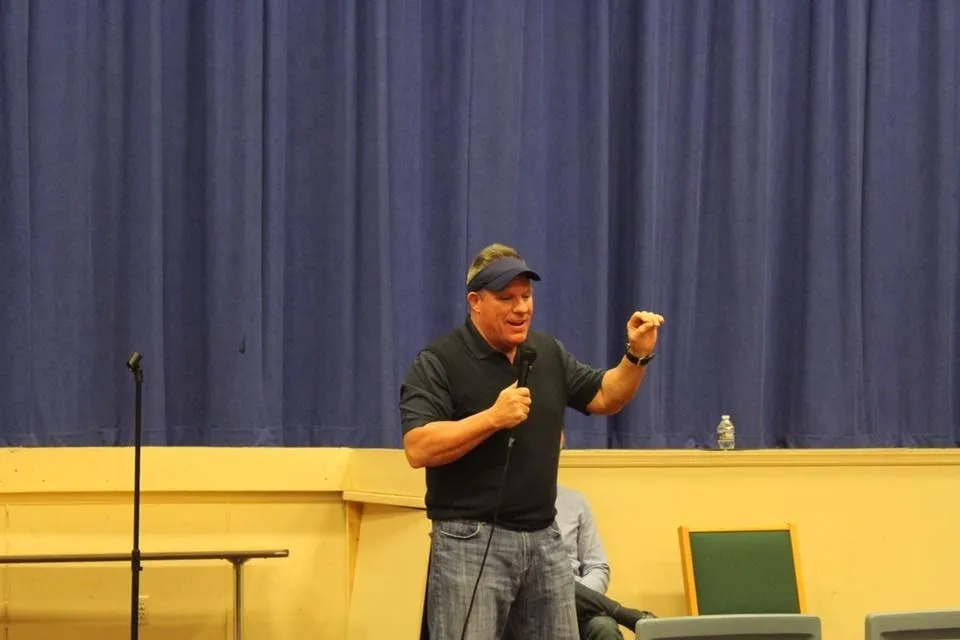
Every intervention is led by Jim Reidy, Certified Intervention Professional (CIP #10266). Jim has more than 15 years of experience and 750+ interventions conducted. He uses the Johnson Model, a structured approach built on preparation, not confrontation.
You speak with Jim directly. There’s no call center and no hand-off.
If Someone Is in Danger Right Now
Don’t wait for an intervention in an emergency. Use these free, confidential lines:
| Situation | Who to contact |
|---|---|
| Overdose, unresponsive, or not breathing | Call 911. Give naloxone (Narcan) if you have it. |
| Suicidal thoughts or emotional crisis | 988 Suicide & Crisis Lifeline. Call or text 988. Veterans press 1. Para español, oprima 2. |
| Crisis by text | Text HOME to 741741 (Crisis Text Line) |
| Treatment referrals, 24/7 | SAMHSA National Helpline: 1-800-662-4357 |
| Find treatment near you | FindTreatment.gov |
| Possible poisoning or dangerous mix | Poison Help: 1-800-222-1222 |
| Mental health information and support | NAMI HelpLine: 1-800-950-6264 |
| Support for family members | Al-Anon, Nar-Anon, and SMART Recovery Family & Friends |
Frequently Asked Questions
What is the goal of a family intervention for addiction?
The goal is to guide your loved one into treatment. In addition, it helps your family stop enabling, set healthy boundaries, and restore stability at home.
Can an intervention work if my loved one refuses treatment?
Yes. Your family still leaves with a plan, united boundaries, and a calmer home. As a result, many people accept help later.
What should our family do before an intervention?
Call first. Don’t confront your loved one alone or announce the plan in advance. Instead, let a professional help you prepare.
How long does the process take?
Most interventions happen within days of the first call, and urgent cases can move faster. The key steps are the consultation, family preparation, treatment placement, and the intervention itself.
Does an intervention work for alcohol and drugs?
Yes. The same structured process works for alcohol, opioids, stimulants, prescription drugs, and dual diagnosis.
You Don’t Need Another Argument. You Need a Plan.
If your family is walking on eggshells, the next step is one phone call. Jim will listen, explain your options, and help you decide what comes next.
Call Addiction Treatment Group 24/7: (888) 972-8513
Direct: (267) 970-7623
Jim Reidy, CIP #10266 | Addiction Treatment Group / Intervention 365
We're Here to Help
Helping someone with drug addiction isn’t easy. We have the experience to help. All calls and emails are confidential.
Oops! We could not locate your form.