
The Importance of Family Involvement During Addiction Interventions
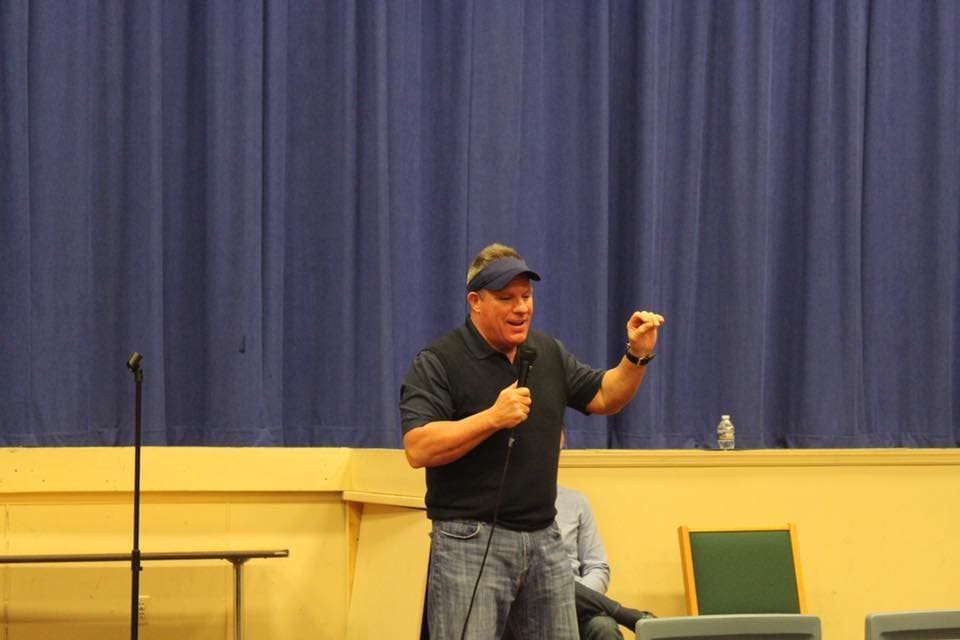
Family Involvement in Addiction Intervention
Family involvement in addiction intervention is often the difference between continued crisis and a genuine opportunity for recovery. Addiction, alcoholism, and co-occurring mental-health conditions do not affect only one person. They affect spouses, parents, children, siblings, friends, finances, trust, health, and the emotional well-being of the entire household.
At Intervention 365, we help families come together with a clear purpose: to lovingly and firmly ask their loved one to accept immediate professional help. A successful intervention is not about controlling someone, embarrassing them, or winning an argument. Instead, it is about ending isolation, speaking honestly, setting healthy boundaries, and presenting treatment as the next right step.
Why Family Involvement Is Essential
Family involvement in addiction intervention matters because addiction thrives in secrecy, fear, denial, and confusion. Over time, families can become divided. One person may want to confront the problem, while another may avoid it. Someone may unknowingly make excuses, provide money, cover up consequences, or protect the person from the reality of their drinking or drug use.
However, when family members become informed and united, the situation can begin to change. The loved one in crisis sees that the people closest to them are no longer ignoring the problem. More importantly, they see that they are not alone and that real help is already available.
An intervention gives the family a structured and compassionate way to say, “We love you, we are worried about you, and we will support your recovery—but we can no longer support the addiction.” This united message can break through denial and help move a person toward treatment before the consequences become even more severe.
Roles and Responsibilities of Family Members
Every person involved in an intervention has an important role. Family involvement in addiction intervention works best when participants are prepared, respectful, and committed to the same goal: helping their loved one accept treatment.
Family members may be asked to share specific examples of how addiction has affected them. They may write and read a letter that communicates love, concern, and hope. These letters should be honest, but they should not attack, insult, or shame the individual. The purpose is to explain the emotional impact of the addiction while making it clear that treatment is the solution.
Loved ones also play a vital role by agreeing to healthy boundaries. For example, family members may decide they will no longer give money, cover for missed work, lie to others, rescue the person from repeated consequences, or allow substance use in the home. These boundaries are not punishment. They are acts of love designed to stop enabling behavior and protect the family.
Most importantly, everyone involved must remain united. Addiction can create conflict, manipulation, and division within a family. A professionally guided intervention helps participants stay calm, focused, and consistent, even when the person struggling becomes emotional, angry, or resistant.
Strategies for Effective Family Involvement
Preparation is the foundation of effective family involvement in addiction intervention. Before the intervention takes place, the family should understand the process, discuss concerns openly, and create a clear plan for treatment. This includes confirming the appropriate treatment center, arranging transportation, and being ready to act immediately if the loved one says yes.
During the intervention, family members should speak calmly and directly. It is important to avoid debating the person about whether they are truly addicted or whether a past incident “really happened.” Instead, participants should focus on what they have personally seen, how they have been affected, and why they are asking for help now.
Families should also avoid rescuing their loved one after the intervention. If treatment is refused, the agreed-upon boundaries must be followed. While this can be emotionally difficult, consistency is essential. Continuing old patterns often allows the addiction to continue, while healthy boundaries can create the motivation for someone to seek help.
Finally, family involvement does not end when treatment begins. Recovery is a long-term process. Families benefit from continued education, counseling, support groups, and open communication. By changing unhealthy family patterns, loved ones can support recovery without taking responsibility for someone else’s choices.
Resources and Support for Families
Families do not need to navigate addiction alone. Professional intervention services provide education, planning, treatment placement guidance, and support before, during, and after the intervention. At Intervention 365, families receive compassionate guidance through the entire process, including help preparing intervention letters, setting boundaries, and coordinating safe transport to treatment.
Family counseling can also be an important part of healing. It gives loved ones a safe place to address broken trust, anger, fear, communication problems, and the lasting effects of addiction. Many treatment programs also offer family education and therapy, helping relatives understand addiction as a disease while learning how to support long-term recovery.
Support groups such as Al‑Anon, Nar‑Anon, SMART Recovery Family & Friends, and local family counseling services can provide ongoing encouragement. These resources remind families that they are not responsible for causing addiction, they cannot control it, and they cannot cure it—but they can make healthy choices and become part of a powerful recovery support system.
Family involvement in addiction intervention creates a path forward. With unity, professional guidance, clear boundaries, and a treatment plan already in place, families can replace fear and chaos with hope, action, and the possibility of lasting recovery.
We're Here to Help
Helping someone with drug addiction isn’t easy. We have the experience to help. All calls and emails are confidential.
Oops! We could not locate your form.